
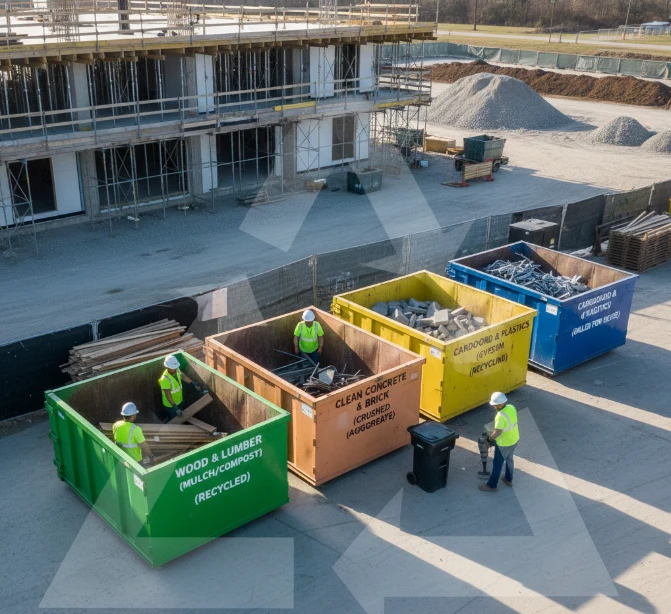
Every construction or demolition project, regardless of size, faces the same fundamental challenge: managing the waste. From concrete slabs and wood offcuts to insulation and packaging, the sheer volume of material generated requires a clear, compliant, and cost-effective disposal strategy. For the professional contractor and the conscientious homeowner alike, understanding how to dispose of building materials is not just a matter of logistics it’s a legal, environmental, and financial necessity.
With over 600 million tons of Construction & Demolition (C&D) debris generated annually in the U.S. (according to EPA estimates), the landfill crisis is real. This guide provides a comprehensive roadmap for building material disposal, focusing on the hierarchy of waste management to keep your project compliant and green.
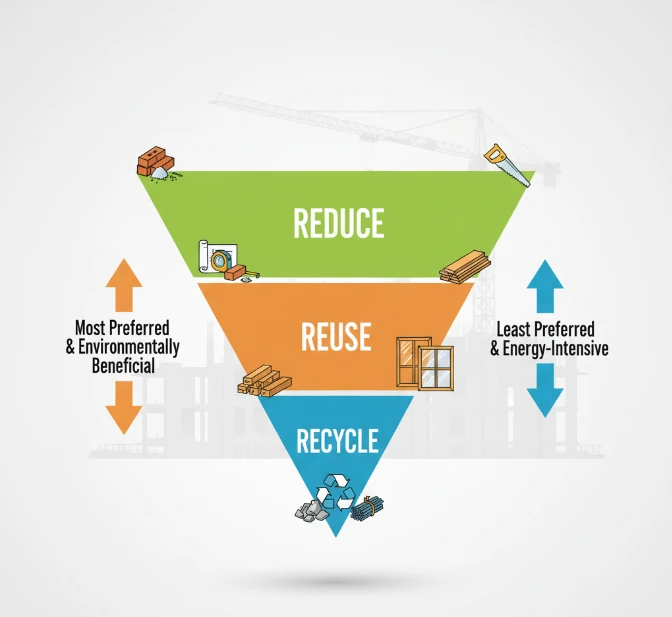
The Foundation: Reduce, Reuse, and Recycle
Before asking where to dispose of building materials, every project should prioritize the three R’s. Disposal should always be the last resort.
1. Reduce Waste at the Source
The best waste management begins before the first nail is driven. Strategies to reduce waste include:
- Precise Ordering: Use software and meticulous planning to order materials exactly to spec, minimizing cut-offs and surplus.
- Modular Design: Design elements that can be built using standard material dimensions (e.g., 2′ x 4′ or 4′ x 8′) to reduce waste from cutting.
- Digital Documentation: Use digital plans to avoid paper waste.
2. Reuse and Salvage Materials
The highest-value disposition of many construction items is through direct reuse. This is particularly effective during deconstruction (the careful dismantling of a structure) versus conventional demolition.
- Donation: Usable items like kitchen cabinets, light fixtures, doors, windows, and lumber can often be donated to local Habitat for Humanity ReStores or similar organizations. This not only keeps items out of the landfill but can also provide a tax deduction.
- Repurposing: On-site reuse can include grinding concrete into sub-base fill or using clean wood scraps for temporary site bracing or kindling.
- Salvage Yards: High-value architectural elements, such as historical millwork, large timbers, or antique fixtures, can be sold to salvage companies.
Where to Dispose of Building Materials
Once material cannot be reused or salvaged, proper recycling or disposal is necessary. The destination for your waste depends entirely on the material itself and local regulations. For fast, full-service building material disposal that handles sorting and delivery to the appropriate facilities, professional haulers like Blue Collar Cleanup are the most efficient option.
Primary Disposal Venues for C&D Waste
| Disposal Venue | What It Accepts | Key Benefit | How to Access |
| C&D Processing Facility | Mixed debris, but specializes in separating clean wood, metal, concrete, drywall, and plastic. | Highest rate of recycling/diversion from landfill (often 70%+). | Contact a professional building material waste disposal service for delivery. |
| C&D Landfill | Non-recyclable, non-hazardous C&D materials (e.g., heavily contaminated wood, asphalt shingles, insulation). | The final resting place for materials that cannot be diverted. | Direct delivery or through a dumpster rental/hauling service. |
| Scrap Metal Recyclers | Ferrous and non-ferrous metals (steel, copper, aluminum, rebar, wiring). | May pay for materials, reducing disposal costs. | Source-separate the metal and deliver it to a local scrap yard. |
| Specialty Recyclers | Clean drywall, asphalt shingles, concrete crushing, electronics (e-waste). | Essential for diverting specific, high-volume materials from landfills. | Search “where can I dispose of building materials near me” specifically for “drywall recycler” or “concrete crusher.” |
Material-Specific Disposal Requirements
Simply loading all waste into one dumpster is often the least sustainable and most expensive way to manage debris. For efficient and compliant building material disposal, material streams must be separated, especially when dealing with high-volume or regulated items.
Where to Dispose of Building Materials: A Breakdown
To answer the common question, “Where can I dispose of building materials near me?” you must first categorize your waste. Most municipalities offer different drop-off points for different materials, or they rely on private C&D waste haulers to do the sorting.
| Material Type | Proper Disposal/Recycling Method | Preparation and Key Regulation |
| Clean Wood (Untreated) | Chipped for mulch, biomass, or sent to a C&D recycling facility. | Must be free of metal fasteners, paint, and chemicals. Treated/painted wood must be separated. |
| Concrete & Masonry | Crushed and recycled into aggregate base material for roads or new concrete. | Must be separated from soil. Rebar is generally acceptable but requires separation at the facility. |
| Gypsum Drywall | Recycled by specialty recyclers for agricultural use or new drywall. | Must be clean (no mud, paint, wallpaper, or metal). Important: Landfilling is often restricted due to hydrogen sulfide gas release. |
| Hazardous Waste (e.g., Lead Paint, Asbestos) | Specialized, regulated hazardous waste handling facility. | NEVER place in a standard dumpster. Requires testing, licensing, and a certified abatement/disposal service. |
| Asphalt Shingles | Recycled into asphalt paving material for roads. | Must be clean and dry. Often requires a dedicated container. |
Handling Regulated and Hazardous Materials
Certain materials are not considered typical C&D waste and require specialized handling. Disposing of these items improperly can result in massive fines and environmental contamination.
- Asbestos: Found in old insulation, floor tiles, and roofing, asbestos is a regulated hazardous material. If suspected, work must stop, and a licensed abatement professional must be called for testing and certified removal. You cannot haul this yourself.
- Lead-Based Paint: Common in homes built before 1978. While intact lead paint is generally safe, demolition or scraping of the material can create toxic dust. Large volumes of debris from lead-painted structures must be managed according to local and federal standards.
- Fluorescent Bulbs & E-Waste: These items (batteries, ballasts, and light fixtures) contain mercury and other hazardous components. They must be taken to a designated household hazardous waste collection site or a specialty e-waste recycler, not a standard landfill.
For an efficient project, you must integrate the management of these items into your plan from the start.
The Professional Difference: Partnering for Compliance
For major renovations or demolition, a construction project can quickly become an overwhelming logistics nightmare. When you are looking for where i dispose of building materials that is compliant, cost-effective, and fast, professional hauling is the answer.
At Blue Collar Cleanup, we simplify the entire building material waste disposal process. We arrive with the team, the trucks, and the knowledge to load all your segregated and mixed debris from heavy concrete to light packaging—and ensure it is taken to the proper C&D processing facilities and recycling centers. This saves you time, labor, and the hassle of coordinating multiple small-scale disposal trips.
We pride ourselves on our commitment to sustainable practices and local service. To learn more about our commitment to responsible debris handling, visit our About Us page. If you are ready to reclaim your workspace and ensure your project’s waste is handled correctly, don’t waste another minute. Contact us today to schedule your building material disposal and get a free, no-obligation quote.

